
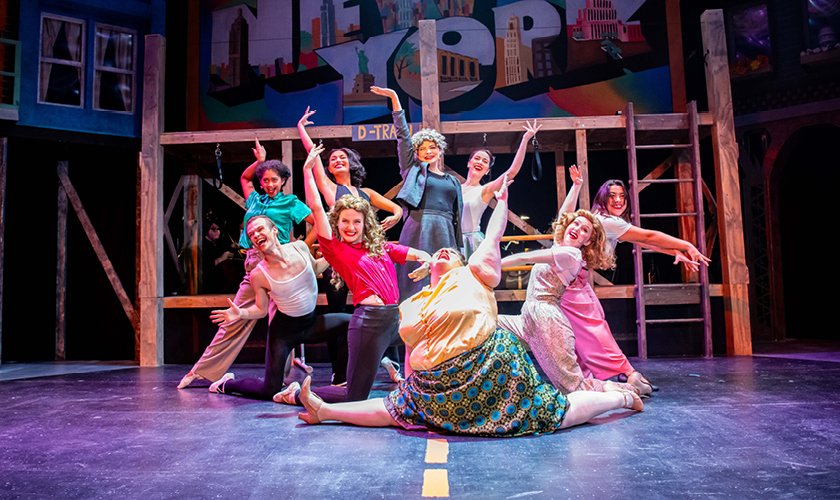
Arts/Performing Arts shape how people express emotions, tell stories, and connect with others. From ancient tribal dances to modern Broadway shows, Arts/Performing Arts have always played a powerful role in human life. They help people share ideas, celebrate culture, and explore imagination. Moreover, they bring communities together through shared experiences. Because of this, Arts/Performing Arts remain one of the most important forms of creative expression in the world today.
What Is Arts/Performing Arts
Arts/Performing Arts include creative activities where artists perform live in front of an audience. These activities often involve music, theater, dance, and spoken word. Unlike visual art, which people can see at any time, Arts/Performing Arts happen in real time. Therefore, each performance feels unique and special. For example, a theater show may change slightly every night because performers respond to the audience. As a result, Arts/Performing Arts create a living and breathing art form that feels personal and powerful.
The History of Arts/Performing Arts
Arts/Performing Arts began thousands of years ago. Early humans used dance and music in rituals and celebrations. Later, ancient Greek theater introduced structured drama and storytelling. Meanwhile, Asian cultures developed opera, shadow puppetry, and traditional dance forms. Over time, Arts/Performing Arts grew across continents. For instance, Shakespeare’s plays became famous in England, while classical ballet flourished in France and Russia. Because cultures shared ideas through travel and trade, Arts/Performing Arts evolved into many diverse styles that we enjoy today.
Types of Arts/Performing Arts
Arts/Performings Arts include several major categories. First, theater focuses on acting and storytelling. Second, dance expresses emotion through movement. Third, music uses sound and rhythm to communicate feelings. Fourth, opera combines singing, acting, and orchestra. Fifth, performance poetry and spoken word use language to inspire audiences. Although each type has unique features, they all rely on live performance. Therefore, Arts/Performing Arts remain dynamic and engaging.
Theater in Arts/Performing Arts
Theater plays a central role in Arts/Performings Arts. Actors perform scripts on stage while directors guide the overall vision. Meanwhile, stage designers create scenery and lighting to build atmosphere. Because theater often reflects social issues, it can spark discussion and change. For example, many plays explore themes like justice, love, and freedom. As a result, Arts/Performings Arts through theater help audiences think deeply about life.
Dance in Arts/Performings Arts
Dance is another powerful form within Arts/Performings Arts. Dancers use body movement to express ideas without words. Ballet, hip-hop, contemporary, and traditional folk dance all show different styles. Moreover, dance requires strong discipline and training. However, it also allows creative freedom. Therefore, Arts/Performing Arts through dance inspire both performers and viewers.
Music in Arts/Performings Arts
Music forms the heartbeat of Arts/Performings Arts. Musicians use instruments and vocals to create emotional experiences. From classical symphonies to modern pop concerts, music connects people across cultures. Additionally, live concerts allow artists to interact with fans directly. Because music can express joy, sadness, and hope, Arts/Performings Arts through music deeply touch human hearts.
Opera and Musical Theater in Arts/Performings Arts
Opera and musical theater combine multiple elements of Arts/Performings Arts. Singers act while performing complex music. At the same time, orchestras support the performance. Costumes and sets enhance the story visually. Consequently, this combination creates a grand and immersive experience. Arts/Performing Arts in this form often feel larger than life.
The Role of Arts/Performing Arts in Culture
Arts/Performings Arts reflect cultural identity. For example, traditional dances show local history and values. Likewise, folk songs pass stories from one generation to the next. Because of this, Arts/Performings Arts preserve heritage. Furthermore, they help people understand other cultures. When audiences watch performances from different countries, they learn about new traditions. Therefore, Arts/Performing Arts promote global understanding.
Arts/Performings Arts in Education
Arts/Performings Arts also play a key role in education. Students who join drama clubs or music groups develop confidence. In addition, they improve teamwork skills. Performing on stage teaches discipline and focus. Moreover, creative activities strengthen imagination and problem-solving skills. Because of these benefits, many schools include Arts/Performing Arts programs.
Career Opportunities in Arts/Performings Arts
Arts/Performings Arts offer many career paths. Actors, dancers, and musicians perform on stage. However, behind-the-scenes roles are equally important. Directors, choreographers, lighting designers, sound engineers, and costume designers all contribute to a show. Additionally, arts managers organize events and handle promotion. Therefore, Arts/Performings Arts create opportunities for creative and technical professionals.
Skills Needed for Success in Arts/Performings Arts
To succeed in Arts/Performing Arts, individuals need dedication and passion. Practice improves talent over time. Furthermore, communication skills help performers connect with audiences. Confidence allows artists to shine on stage. At the same time, teamwork ensures smooth collaboration. Because live performance requires preparation, discipline remains essential in Arts/Performing Arts.
The Impact of Technology on Arts/Performing Arts
Technology has transformed Arts/Performings Arts in many ways. Digital lighting and sound systems enhance performances. Meanwhile, online streaming allows global audiences to watch shows. Social media helps performers build personal brands. However, live performance still holds unique value. Because nothing replaces the energy of a live audience, Arts/Performings Arts continue to thrive in theaters and concert halls.
Challenges in Arts/Performings Arts
Despite their beauty, Arts/Performings Arts face challenges. Funding often remains limited. Additionally, competition can be intense. Performers may struggle with irregular income. However, strong passion drives many artists to continue. Community support also helps creative projects succeed. Therefore, even with difficulties, Arts/Performing Arts remain resilient.
Community and Arts/Performings Arts
Arts/Performing Arts bring communities together. Local theaters host events that gather families and friends. Cultural festivals celebrate music and dance. Moreover, community performances encourage participation. Because shared experiences strengthen bonds, Arts/Performing Arts create unity and belonging.
Mental Health Benefits of Arts/Performings Arts
Arts/Performing Arts improve mental well-being. Performing helps people release stress. Watching a show can lift mood and inspire hope. In addition, creative expression builds self-esteem. Therefore, Arts/Performings Arts support emotional health in powerful ways.
Arts/Performing Arts for Children and Youth
Young people benefit greatly from Arts/Performing Arts. Children who join dance or music classes learn discipline early. They also develop social skills. Furthermore, creative activities encourage imagination. Because early exposure builds confidence, Arts/Performings Arts shape positive growth.
Global Influence of Arts/Performings Arts
Arts/Performing Arts influence global entertainment industries. Broadway, West End, and international festivals attract visitors worldwide. Artists collaborate across borders. Moreover, cultural exchange enriches performances. As a result, Arts/Performing Arts connect people beyond language barriers.
Future of Arts/Performings Arts
The future of Arts/Performing Arts looks bright. New technologies create immersive experiences. At the same time, traditional forms remain respected. Young creators bring fresh ideas. Because creativity never stops, Arts/Performing Arts will continue evolving.
Why Arts/Performings Arts Matter in Everyday Life
Arts/Performings Arts matter because they reflect human stories. They celebrate joy, express pain, and inspire dreams. Furthermore, they encourage empathy. When people watch a performance, they see life through another perspective. Therefore, Arts/Performings Arts enrich everyday life.
How to Get Involved in Arts/Performings Arts
Anyone can join Arts/Performings Arts. You can attend local shows, take classes, or volunteer backstage. Additionally, you can support artists by sharing their work. Because participation builds stronger art communities, involvement keeps Arts/Performings Arts alive.
Читати далі: Бактерії – Що це таке, як вони працюють і чому вони важливі
Conclusion
Arts/Performing Arts continue to shape society, culture, and personal growth. They entertain, educate, and inspire. Moreover, they bring people together across generations and nations. Although challenges exist, creativity always finds a way. Therefore, Arts/Performing Arts remain a powerful force in human life. Whether you perform on stage or sit in the audience, you become part of the shared magic.