
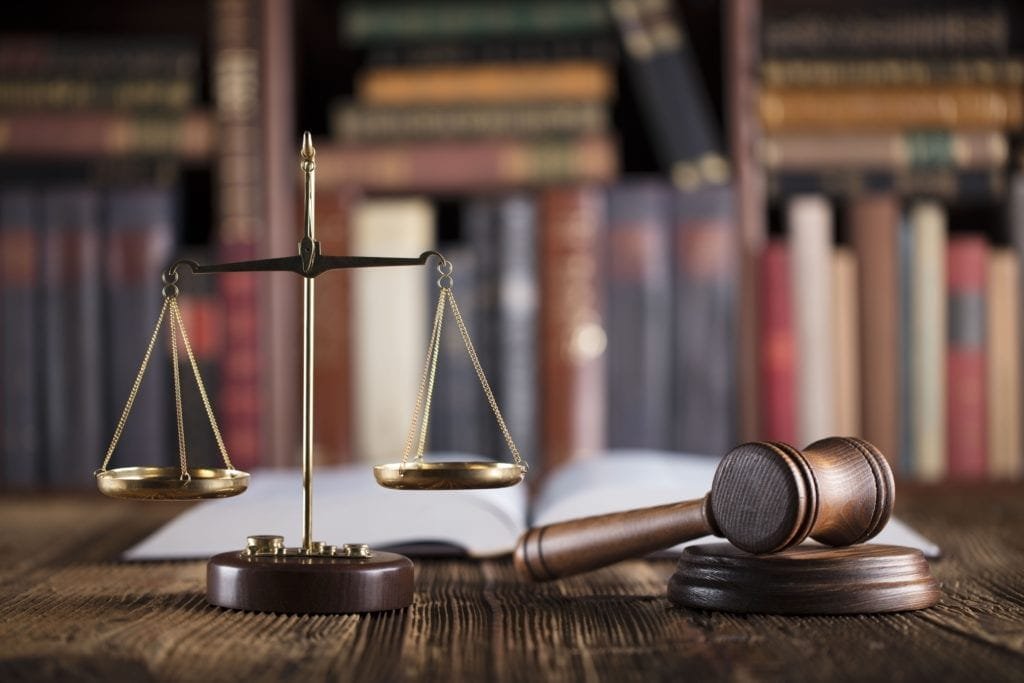
Society/Law is the foundation of every peaceful and organized community, because Society/Law sets the rules that guide how people live, work, and treat each other every single day. In simple words, Society/Law explains how rules are created, how they are enforced, and why they matter to everyone. Although many people think laws are only for courts and lawyers, Society/Law actually affects school rules, traffic signals, business contracts, and even online behavior. Therefore, when we understand Society/Law, we understand how fairness, safety, and rights stay protected in our daily lives.
What Is Society/Law and Why Does It Matter?
Society/Law refers to the relationship between people and the rules that govern them, and because humans live together in groups, they need clear guidelines to prevent conflict and confusion. For example, traffic laws stop accidents, while school policies create discipline, and business regulations protect customers from fraud. As a result, Society/Law keeps order, reduces harm, and builds trust among citizens. Without Society/Law, stronger people could control weaker ones, and chaos would quickly spread. Therefore, laws matter because they create fairness, protect freedom, and give people a clear path to solve problems peacefully.
The History of Society/Law in Human Civilization
Since ancient times, Society/Law has shaped civilizations, and early communities created simple rules to manage property, family, and trade. For instance, the Code of Hammurabi in ancient Babylon introduced written laws, and later, Roman law influenced many modern legal systems. Over time, governments developed courts, judges, and legal procedures, so justice could be applied in a structured way. Because societies grew larger and more complex, laws also expanded to cover new areas such as labor rights and environmental protection. Therefore, Society/Law evolved with human progress, and it continues to change as new challenges appear.
How Society/Law Protects Individual Rights
Society/Law protects basic human rights, and these rights include freedom of speech, equality before the law, and protection from harm. For example, constitutional laws defend citizens from unfair treatment, and human rights laws prevent discrimination. Because of Society/Law, people can express opinions, practice religion, and seek justice if someone harms them. Furthermore, courts exist to ensure that no one stands above the law, even leaders and officials. As a result, Society/Law creates balance between government power and individual freedom, which strengthens democracy and trust in institutions.
Society/Law and the Role of Government
Governments create and enforce laws, and therefore Society/Laws depends on strong institutions that work honestly and transparently. Legislatures write laws, executives enforce them, and courts interpret them when disputes arise. Because each branch has specific duties, power remains balanced and misuse becomes harder. Moreover, citizens can vote for lawmakers, so they influence how Society/Law develops over time. In this way, Society/Law reflects the values and priorities of the people it serves.
Society/Law in Everyday Life
Although many people think Society/Law only matters in courtrooms, it actually guides everyday actions. For example, rental agreements protect both tenants and landlords, while consumer protection laws ensure safe products. Additionally, family laws regulate marriage, divorce, and child custody, so families have legal protection during difficult times. Because Society/Laws provides structure, people can sign contracts, start businesses, and travel safely with clear expectations. Therefore, even small daily decisions connect to Society/Laws in direct and meaningful ways.
Society/Law and Criminal Justice
Society/Law defines crimes and punishments, and because safety matters to everyone, criminal laws protect communities from harm. Police investigate crimes, prosecutors present evidence, and judges or juries decide guilt based on facts. However, Society/Laws also ensures fairness, so accused individuals receive the right to defense and a fair trial. As a result, justice balances protection with fairness, and punishment must follow legal standards. Therefore, criminal justice shows how Society/Law protects society while respecting human rights.
Society/Laws and Social Change
Society/Laws changes when society changes, and because values evolve, legal systems adapt over time. For example, civil rights movements pushed governments to end discrimination and expand equality. Similarly, technology created new legal questions about privacy and digital security. As new problems appear, lawmakers update rules to meet modern needs. Therefore, Society/Law does not stay frozen; instead, it grows alongside cultural, economic, and technological progress.
Society/Law in Education Systems
Schools operate under Society/Laws, and education laws protect students and teachers alike. For instance, rules prevent bullying, discrimination, and unsafe conditions. Because children deserve equal opportunities, education policies ensure access regardless of background. Additionally, parents have legal rights to understand school policies and decisions. As a result, Society/Laws creates safe learning environments where students can focus on growth and success.
Society/Law and Economic Stability
A strong economy depends on Society/Laws, because businesses need clear rules to operate fairly. Contract law ensures agreements are honored, while labor law protects workers from unfair treatment. Furthermore, property laws secure ownership, so investors feel confident building companies and creating jobs. Because trust is essential in trade, Society/Law builds confidence between buyers and sellers. Therefore, economic growth thrives when legal systems remain stable and predictable.
Society/Law and Media Responsibility
Media organizations operate within Society/Law, and freedom of press allows journalists to report important stories. However, laws also limit defamation and protect privacy, so false information does not harm innocent people. Because society values both free speech and responsibility, Society/Laws balances these principles carefully. As a result, media can inform the public while respecting legal boundaries.
Society/Law in the Digital Age
Technology changed how people interact, and therefore Society/Laws now addresses online behavior, cybersecurity, and digital privacy. For example, data protection laws regulate how companies handle personal information. Additionally, cybercrime laws punish hacking and online fraud. Because digital spaces influence real life, Society/Laws ensures that online actions follow ethical and legal standards. Therefore, even virtual communities depend on legal protection and accountability.
Society/Law and Equality
Equality stands at the heart of Society/Laws, and laws aim to treat all citizens fairly regardless of race, gender, or background. Anti-discrimination rules protect marginalized groups, while employment laws promote equal opportunity. Because fairness strengthens social unity, Society/Laws supports diversity and inclusion. As a result, communities grow stronger when everyone feels respected and protected under the same legal system.
Challenges Facing Society/Laws Today
Although Society/Laws provides structure, it faces challenges such as corruption, inequality, and slow legal processes. In some regions, people struggle to access justice because courts remain overloaded. Moreover, rapid technological change creates complex legal questions. However, reform efforts continue worldwide, and governments work to improve transparency and efficiency. Therefore, even when problems appear, Society/Laws evolves through public debate and policy reform.
Why Understanding Society/Laws Is Important for Everyone
Understanding Society/Law empowers citizens, because knowledge helps people protect their rights and fulfill responsibilities. For example, knowing consumer rights prevents unfair treatment, while understanding voting laws strengthens democracy. Additionally, legal awareness reduces fear and confusion during disputes. As a result, educated citizens contribute to a more just and organized society. Therefore, learning about Society/Law benefits individuals and communities alike.
Читати далі: Бактерії – Що це таке, як вони працюють і чому вони важливі
The Future of Society/Law
Looking ahead, Society/Law will continue adapting to global challenges such as climate change, artificial intelligence, and international trade. Because countries interact more closely than ever, international laws gain importance in maintaining peace and cooperation. Furthermore, digital transformation will require stronger privacy and cybersecurity protections. As society grows more connected, Society/Laws must remain flexible yet firm in protecting justice and rights. Therefore, the future of Society/Laws depends on active citizens, ethical leadership, and constant improvement.
In conclusion, Society/Laws shapes every part of human life, and although many people overlook its presence, it quietly protects freedom, fairness, and safety each day. From ancient codes to modern digital regulations, Society/Laws has evolved to meet the needs of changing societies. Because laws create order and resolve conflict peacefully, they remain essential for stability and growth. Ultimately, when people respect and understand Society/Law, communities become stronger, safer, and more united.