
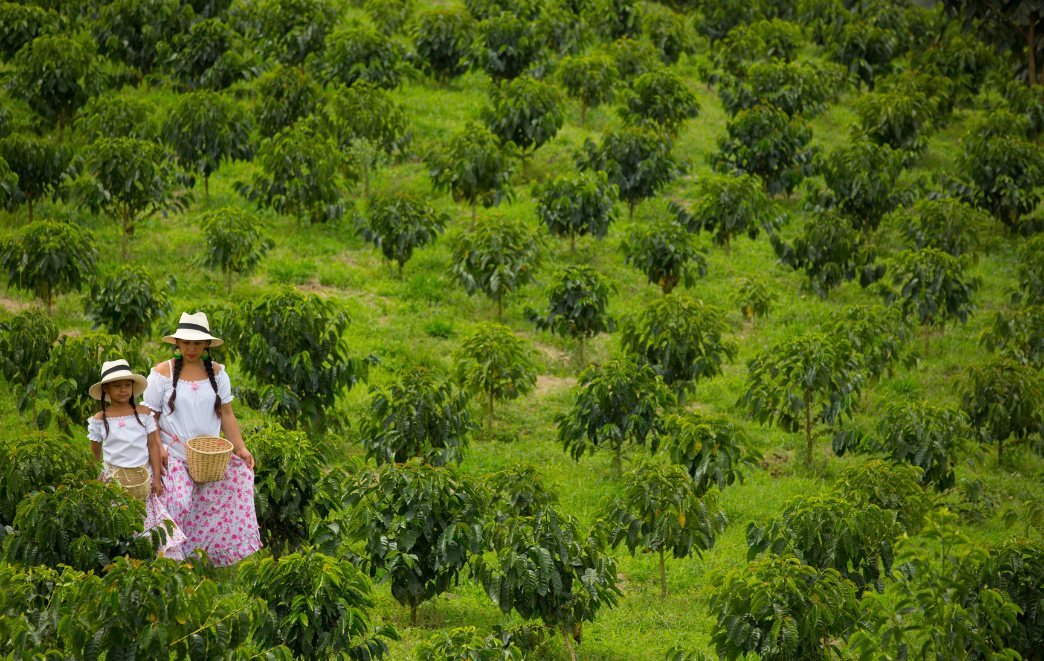
Regional/South America is one of the most exciting and diverse parts of the world, and today more people want to learn about its culture, history, economy, and natural beauty. From tropical rainforests to snowy mountains, and from colorful festivals to growing cities, Regional/South America offers endless experiences. Because the region stretches across a vast area, it includes many countries, languages, traditions, and climates. Therefore, understanding Regional/South America helps you see how people live, work, and celebrate across this unique continent.
What Is Regional/South America?
Regional/South America refers to the southern portion of the American continent, and it includes twelve independent countries as well as overseas territories. For example, countries such as Brazil, Argentina, Colombia, Peru, Chile, and Ecuador are all part of Regional/South America. Although each country has its own identity, they share many historical and cultural connections. Because of this shared past, people often group them together when discussing trade, tourism, and culture. In addition, the region connects to Central America and North America, which makes it important for global relationships.
Geography of Regional/South America
The geography of Regional/South America is incredibly diverse, and therefore it attracts travelers, scientists, and businesses from around the world. On the western side, the Andes Mountains stretch thousands of miles, creating dramatic landscapes and high-altitude cities. Meanwhile, the Amazon Rainforest covers a huge part of the northern region, and it contains more wildlife than any other forest on Earth. In contrast, the southern areas include cold plains and glaciers, especially in Patagonia. Because of these natural features, Regional/South America has deserts, beaches, jungles, rivers, and mountains all in one region.
Climate and Weather Patterns in Regional/South America
The climate in Regional/South America changes greatly from one area to another, and this makes it even more interesting. Near the equator, the weather stays warm and humid throughout the year. However, in southern countries like Chile and Argentina, winters can be cold and snowy. In addition, some regions experience heavy rainfall, while others remain dry for months. Because the region is so large, travelers should always check local conditions before visiting. Therefore, planning ahead helps you enjoy the best weather each country offers.
History of Regional/South America
The history of Regional/South America goes back thousands of years, and many ancient civilizations once lived there. For example, the Inca Empire ruled large areas before European explorers arrived. Later, Spanish and Portuguese colonizers changed the political and cultural systems of the region. As a result, many countries now speak Spanish or Portuguese. However, indigenous traditions still influence art, language, and daily life. Eventually, in the 19th century, most countries fought for independence and created their own governments. Because of this long and complex history, Regional/South America holds a rich cultural heritage.
Culture and Traditions in Regional/South America
Culture in Regional/South America is colorful, energetic, and deeply rooted in family and community values. Music and dance play a huge role in everyday life, and styles like samba and tango are known worldwide. In addition, festivals such as Carnival bring cities to life with costumes and parades. Food also reflects cultural diversity, because recipes mix indigenous, European, and African influences. Therefore, when you visit Regional/South America, you experience traditions that have developed over centuries. Although each country has its own customs, warmth and hospitality remain common across the region.
Languages Spoken in Regional/South America
Most countries in Regional/South America speak Spanish, and Brazil mainly speaks Portuguese. However, many indigenous languages still survive, especially in rural areas. For example, Quechua and Guarani are spoken by millions of people. Because of this linguistic diversity, the region shows strong respect for cultural identity. In addition, learning a few local phrases can greatly improve your travel experience. Therefore, language plays an important role in understanding the true spirit of Regional/South America.
Economy and Business Growth in Regional/South America
The economy of Regional/South America has grown in many sectors, and new opportunities continue to appear. For instance, Brazil has a strong agricultural and manufacturing industry. Meanwhile, Chile and Peru lead in mining and natural resources. In addition, Colombia and Argentina show growth in technology and services. Because of trade partnerships with North America, Europe, and Asia, the region plays a key role in global markets. Although economic challenges still exist, many governments focus on innovation and infrastructure. Therefore, Regional/South America attracts investors and entrepreneurs looking for long-term growth.
Tourism in Regional/South America
Tourism in Regional/South America continues to rise, and millions of visitors arrive each year. For example, people travel to see ancient ruins, tropical beaches, and vibrant cities. In addition, eco-tourism grows quickly because travelers want to explore nature responsibly. Adventure activities such as hiking, surfing, and wildlife tours bring excitement to visitors. Because transportation networks improve each year, travel becomes easier and safer. Therefore, Regional/South America stands as a top destination for people seeking culture and adventure.
Natural Wonders of Regional/South America
Regional/South America is home to some of the world’s most famous natural wonders, and these sites inspire awe in visitors. The Amazon River flows through multiple countries and supports countless species of plants and animals. Meanwhile, Angel Falls in Venezuela stands as the highest waterfall on Earth. In addition, the Atacama Desert in Chile ranks among the driest places in the world. Because these natural landmarks remain protected in many areas, conservation efforts help preserve them for future generations. Therefore, Regional/South America plays a vital role in global environmental balance.
Education and Innovation in Regional/South America
Education systems in Regional/South America continue to improve, and many countries invest heavily in schools and universities. For example, large cities host respected universities that attract students from across the continent. In addition, governments promote digital learning and technical skills. Because technology spreads quickly, young entrepreneurs build startups in fields like fintech and renewable energy. Therefore, Regional/South America shows strong potential for innovation and creative growth.
Food and Cuisine in Regional/South America
Food in Regional/South America is flavorful, fresh, and deeply connected to local ingredients. For example, Brazil offers feijoada, while Argentina is famous for grilled meats. In Peru, ceviche stands as a national favorite. Because agriculture plays a major role in the region, fruits, vegetables, and grains appear in many dishes. In addition, street food brings affordable and tasty meals to busy cities. Therefore, exploring cuisine in Regional/South America becomes an exciting journey of taste and tradition.
Transportation and Infrastructure in Regionals/South America
Transportation in Regionals/South America varies from modern metro systems to rural bus networks. Major cities offer airports that connect to global destinations, and highways link key economic centers. However, remote areas still face infrastructure challenges. Because governments invest in development projects, roadways and ports continue to expand. Therefore, movement of goods and people becomes easier over time, which supports economic growth across Regionals/South America.
Environmental Challenges in Regional/South America
Although Regionals/South America contains rich natural resources, it also faces environmental pressures. Deforestation in the Amazon creates global concern, and climate change affects coastal cities. However, environmental groups and governments work together to protect wildlife and forests. Because awareness increases worldwide, sustainable tourism and renewable energy gain popularity. Therefore, Regionals/South America stands at an important moment in balancing growth and conservation.
Future of Regionals/South America
The future of Regionals/South America looks promising, and many experts predict steady development. Young populations drive innovation, and digital transformation creates new jobs. In addition, regional cooperation improves trade and political stability. Because global interest in renewable energy and biodiversity grows, the region may become a leader in sustainable solutions. Therefore, Regionals/South America holds strong potential for economic, cultural, and environmental progress.
Why Regionals/South America Matters Globally
Regionals/South America matters to the world because it supplies food, minerals, and energy resources. In addition, it protects vital ecosystems that support global climate balance. Cultural exports such as music, film, and literature also influence global trends. Because the region connects multiple oceans and trade routes, it plays a strategic role in international commerce. Therefore, understanding Regionals/South America helps people see how interconnected our world truly is.
Читати далі: Бактерії – Що це таке, як вони працюють і чому вони важливі
Conclusion
Regional/South America represents diversity, resilience, and opportunity. From its ancient civilizations to its modern cities, the region continues to evolve. Because it blends history, culture, nature, and business growth, it attracts travelers, investors, and students alike. In addition, its young population and rich resources create strong foundations for the future. Therefore, whether you plan to travel, invest, or simply learn, Regional/South America offers endless inspiration and potential for growth.